Home and commercial CCTV should not be designed the same way. Effective systems are built around real usage goals, not camera count alone.
Core difference
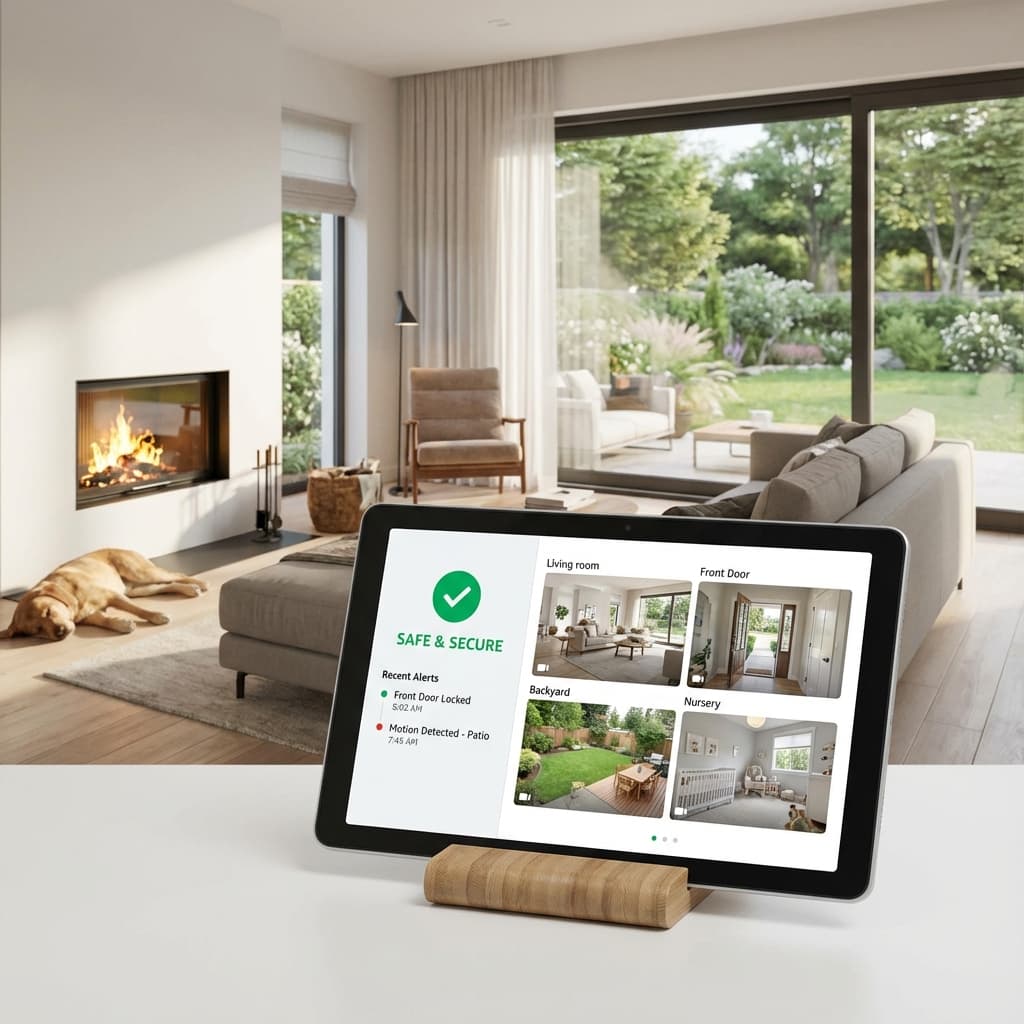
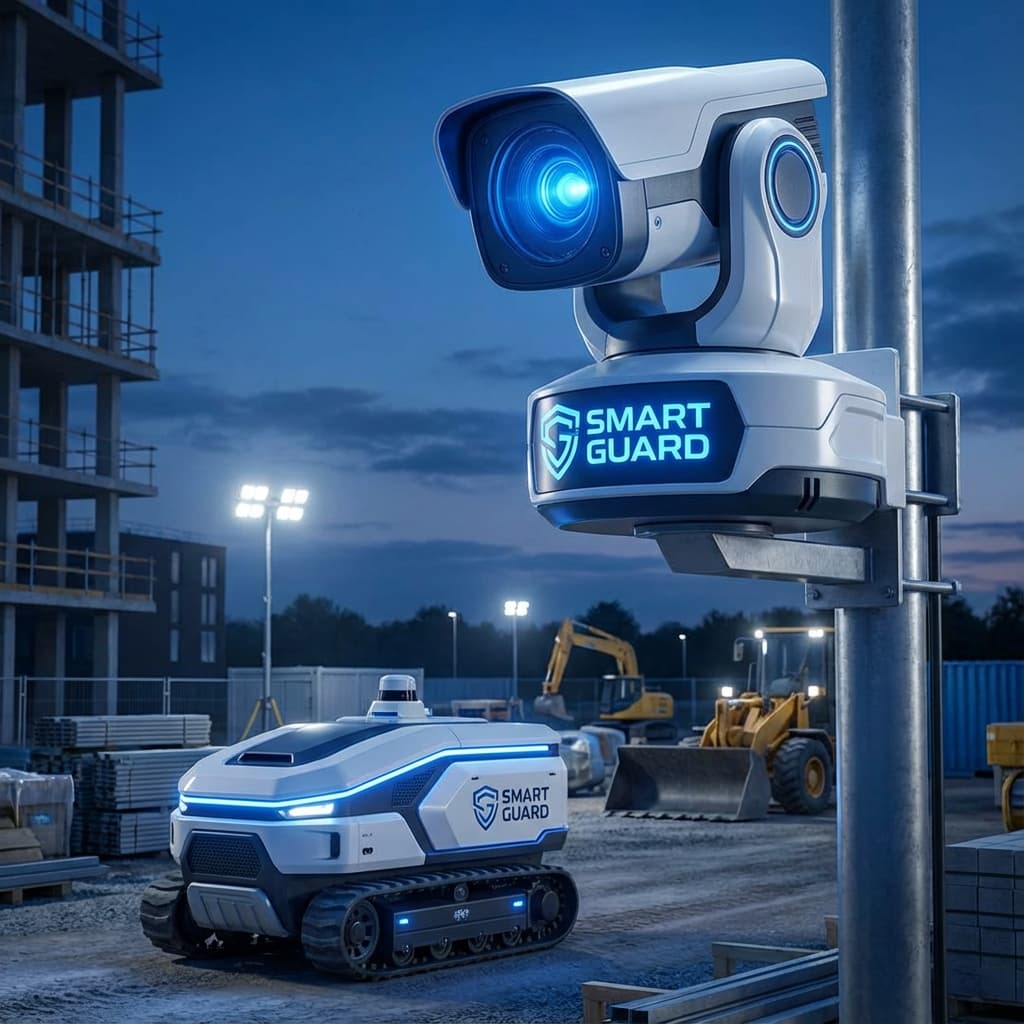
Home CCTV focuses on household safety and entry points. Commercial CCTV focuses on operational risk control, retention policies, and integration with broader security workflows.
Case-study takeaway
Across residential and commercial deployments, better design and proper analytics consistently improved incident visibility and response quality.
Choosing the right CCTV model
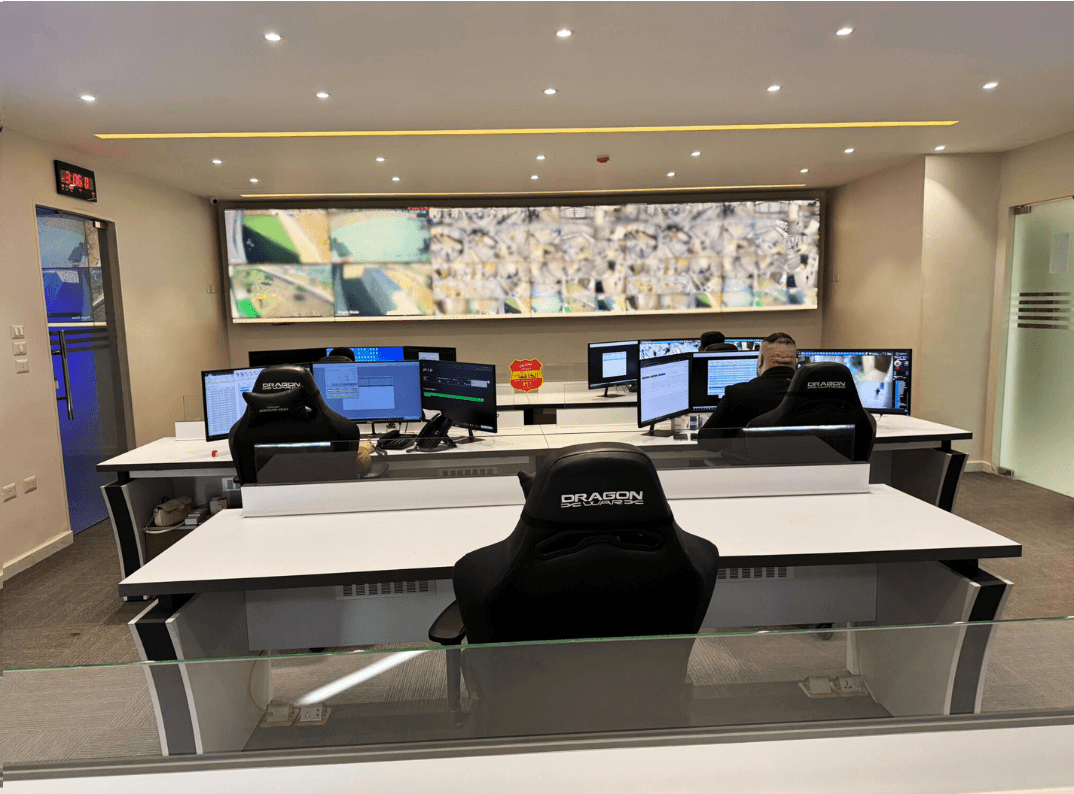
Home CCTV and commercial CCTV should solve different problems. Home systems prioritize family safety, entry points, and easy app control. Commercial systems prioritize operations, auditability, longer retention policies, and role-based access for multiple users.
Decision framework by use case
- Home-first scenario: 2-8 cameras, focus on entrances, driveway, and perimeter visibility.
- Retail/restaurant scenario: add POS-sensitive zones, customer movement areas, and stronger incident retrieval workflow.
- Warehouse/industrial scenario: prioritize long corridors, loading zones, low-light reliability, and higher retention windows.
If your environment includes cash handling, high-value stock, or multi-shift operations, commercial architecture is usually the safer long-term option even if initial cost is higher.
Case-study pattern we repeatedly see
The strongest performance gains come from better design rather than just adding more cameras. Sites that improved camera positioning, night profile tuning, and alert rules consistently reduced incident review time and increased usable evidence quality.
Post-installation KPIs
Track evidence clarity, incident review time, uptime stability, and operational usability to measure system success.
- Evidence usability: Can teams identify required details in under 2 minutes?
- Review speed: How long does it take to find a required clip?
- System stability: What is monthly uptime and fault rate?
- Team adoption: Can supervisors use the system without vendor intervention?
Final procurement checklist
Before final approval, require coverage maps, retention policy, support SLA, acceptance-test criteria, and expansion path for future cameras/branches. This prevents short-term purchasing decisions that create long-term operating problems.
Helpful Security Resources
Frequently Asked Questions
Can I use the same cameras for home and retail?
Technically sometimes yes, but they are often operationally insufficient for retail in retention, analytics, durability, and coverage.
What recording retention is suitable for stores?
Usually 30 to 90 days, depending on business type and internal follow-up policies.
Are smart analytics necessary in commercial CCTV?
In many cases yes, because they reduce manual review and speed up detection of critical events.